
Decision Support
HDB, EC, Private Condominium or Landed: Compare Your Next Home Around the Life You Want
No property type is universally better than another. Each suits a different set of priorities, a different budget and a different appetite for financing, upkeep and flexibility - this guide compares them honestly, on your terms, rather than declaring a winner.

This is the most detailed comparison on the site - use the contents list to jump straight to the property type or household scenario most relevant to you.
Start with the objective, not the property label
Before comparing HDB, EC, private condominium and landed property against each other, it helps to be clear about what you are actually optimising for. Different households weigh these differently, and the same property type can be the right answer for one household and the wrong one for another with an identical budget.
Begin with the objective, not the label
Before you compare property types, identify which of these matters most to your household:
- More space for a growing or multi-generational household.
- A better location - closer to work, school, family or healthcare.
- A lower monthly commitment, freeing up income for other goals.
- Facilities - a pool, gym or function room you would genuinely use.
- Privacy, away from shared walls and common corridors.
- Accessibility, including lift access and step-free routes.
- Proximity to schools, for households with school-going children.
- Retirement preparation - a home suited to a fixed or reduced income.
- Greater liquidity, keeping more of your wealth outside property.
- Lower maintenance responsibility, versus a willingness to manage a home directly.
- A longer holding horizon versus flexibility to move again soon.
- The flexibility to rent out the property later, if plans change.
Two or three of these will usually matter far more than the rest to your specific household. Naming them before comparing property types keeps the comparison honest, rather than working backwards from a property you have already fallen for.
Interactive comparison
Use the tool below to compare one property type in detail, or select “Compare All” to see every factor side by side.
Another HDB
- Eligibility
- Subject to HDB eligibility conditions - citizenship, family nucleus, income ceiling for some schemes.
- MOP / SSD framework
- A new Minimum Occupation Period applies to the flat you buy before you can sell it again.
- Tenure
- 99-year lease; remaining lease affects CPF usage and loan tenure limits.
- Cash & CPF at purchase
- Generally the most accessible entry point; resale levy may apply if previously subsidised.
- BSD / ABSD
- BSD applies as with any purchase; ABSD depends on your existing property count and profile.
- Financing
- HDB loan or bank loan; MSR (generally 30%) and TDSR (generally 55%) both apply.
- Monthly running costs
- Generally the lowest of the four - conservancy charges rather than MCST fees.
- Property tax
- Owner-occupier rates on Annual Value, typically the lowest among the four types.
- Space & privacy
- Fixed by flat type; limited scope for structural changes without HDB approval.
- Facilities
- Estate-level facilities via the town council; no private pool or gym.
- Rental flexibility
- Whole-flat rental subject to MOP, classification and HDB approval.
- Resale buyer pool
- Broad, but buyers generally need a valid HFE letter before making an offer.
- Transaction complexity
- Well-defined resale process; relatively lower complexity.
- Main risks
- Eligibility changes, resale levy, and a new MOP resetting your own future flexibility.
- May suit
- Households prioritising cost certainty and familiarity with the HDB system.
Executive Condominium
- Eligibility
- HDB eligibility rules apply at purchase, including an income ceiling for new EC units.
- MOP / SSD framework
- MOP applies (commonly 5 years, with newer-rule sites carrying a longer MOP) before resale; full privatisation timeline varies by project - confirm with HDB for your specific unit.
- Tenure
- Typically 99-year lease, as with HDB flats.
- Cash & CPF at purchase
- Mid-range outlay - above HDB, generally below a comparable private condo.
- BSD / ABSD
- BSD applies; ABSD may apply depending on existing property count and profile.
- Financing
- Bank loan only (no HDB loan); MSR and TDSR both apply.
- Monthly running costs
- Condo-style MCST maintenance fees, higher than HDB conservancy charges.
- Property tax
- Owner-occupier rates on Annual Value; typically higher than HDB given higher valuations.
- Space & privacy
- Condo-style layouts and finishes, with facilities included.
- Facilities
- Pool, gym and function rooms typical, funded through MCST fees.
- Rental flexibility
- Whole-unit rental restricted during MOP; resale restricted to SCs/PRs until the project fully privatises.
- Resale buyer pool
- Restricted to Singapore Citizens and PRs until privatisation; opens to all buyers afterwards.
- Transaction complexity
- Similar to HDB during the MOP-restricted phase; similar to private property after privatisation.
- Main risks
- MOP and privatisation timelines differ by project - verify your specific EC's conditions rather than assuming a general rule.
- May suit
- Households wanting condo-style living while still meeting HDB eligibility rules at purchase.
Private Condominium
- Eligibility
- Fewer restrictions than HDB/EC; foreigner eligibility rules apply to purchase.
- MOP / SSD framework
- No MOP. Seller's Stamp Duty applies if sold within the prevailing holding period after purchase.
- Tenure
- Freehold or leasehold (commonly 99 or 999 years), which affects both financing and long-term value.
- Cash & CPF at purchase
- Higher entry cost; downpayment and CPF usage scale with the higher price.
- BSD / ABSD
- BSD applies on a progressive scale; ABSD may apply depending on citizenship and existing property count.
- Financing
- Bank loan only; TDSR applies, but MSR does not apply to private property.
- Monthly running costs
- MCST maintenance fees, typically higher than HDB or EC given more extensive facilities.
- Property tax
- Owner-occupier or non-owner-occupier rates on Annual Value; generally higher than HDB/EC.
- Space & privacy
- Wide range by development; generally more design and layout variety than HDB/EC.
- Facilities
- Often extensive - pools, gyms, function rooms, security - funded through MCST fees.
- Rental flexibility
- Generally the most flexible of the four for renting out, subject to lease and MCST rules.
- Resale buyer pool
- Broadest buyer pool, including foreigners, subject to their own eligibility and cost considerations.
- Transaction complexity
- Similar legal process to HDB resale, without HDB-specific eligibility checks.
- Main risks
- Project-specific risks (developer track record, en-bloc potential, ageing facilities) alongside market risk.
- May suit
- Households prioritising location choice, facilities and financing flexibility.
Landed Property
- Eligibility
- Ownership restrictions apply to foreigners for most landed types; approval may be required.
- MOP / SSD framework
- No MOP. Seller's Stamp Duty applies if sold within the prevailing holding period after purchase.
- Tenure
- Freehold or leasehold, with land value forming a significant part of the price.
- Cash & CPF at purchase
- Highest typical outlay among the four, with land value a major driver of price.
- BSD / ABSD
- BSD applies on a progressive scale; ABSD may apply depending on citizenship and existing property count.
- Financing
- Bank loan only; TDSR applies. Loan-to-Value limits and lender appetite can vary by property condition and land status.
- Monthly running costs
- No MCST fees, but owner bears all maintenance, repairs and often security directly.
- Property tax
- Owner-occupier or non-owner-occupier rates on Annual Value; often the highest among the four given land value.
- Space & privacy
- Greatest space and privacy among the four, including outdoor land.
- Facilities
- None shared; whatever the owner builds or maintains independently.
- Rental flexibility
- Generally flexible, subject to the property's own condition and any planning restrictions.
- Resale buyer pool
- Narrower than condos for foreign buyers, given ownership restrictions on most landed types.
- Transaction complexity
- Can be higher - land title, boundary and building condition checks add to the legal process.
- Main risks
- Full responsibility for upkeep and repairs; less liquidity than condos given a smaller buyer pool.
- May suit
- Households prioritising space, privacy and land ownership, with funds and appetite for direct upkeep.
There is no universal winner here - the right fit depends on your budget, eligibility and priorities. Use this as a starting point for discussion, not a final answer.
Another HDB flat
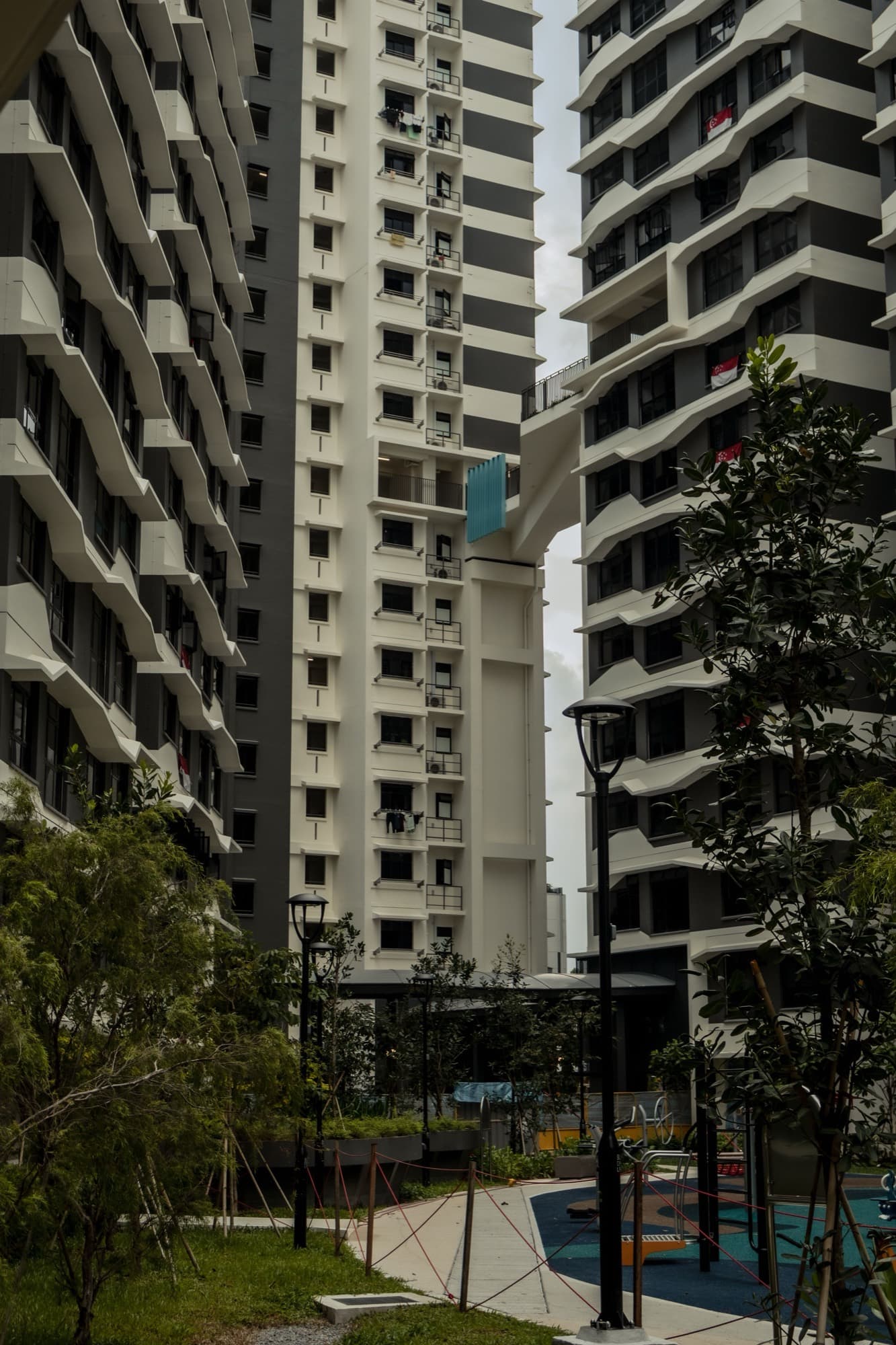
A resale or new HDB flat remains the most accessible entry point for most households, and the one most homeowners already understand from their own buying experience.
Affordability and estate choice
HDB flats span a wide range of prices by town, flat type and remaining lease. Estates closer to the city centre or with newer developments generally command a premium; mature estates with older flats can offer significantly more space for the same budget, at the cost of a shorter remaining lease.
Eligibility, HFE and grants
Buyers generally need a valid HDB Flat Eligibility (HFE) letter before making an offer on a resale flat, which gives a consolidated view of eligibility, grant and loan eligibility upfront. Various CPF Housing Grants may apply depending on your household profile - confirm current eligibility and amounts directly with HDB, since grant schemes are reviewed periodically.
HDB loan versus bank loan
An HDB concessionary loan and a bank loan carry different interest rate structures, Loan-to-Value limits and eligibility conditions. An HDB loan is only available for HDB flat purchases and carries its own specific terms; a bank loan is assessed under TDSR and MSR like any other property financing. Compare both before committing.
MOP and recurring costs
Buying another HDB flat resets your MOP clock - a new Minimum Occupation Period applies before you can sell this flat again. Recurring costs (conservancy charges, property tax) are generally the lowest among the four property types compared here.
Executive Condominium
An EC sits between HDB and private property in both price and rules, which makes it appealing but also the type most often misunderstood.
Purchase conditions
New EC units are subject to HDB eligibility conditions at purchase, including an income ceiling and other criteria similar to those for BTO flats. This applies only to buying a new EC directly from a developer under HDB's scheme - resale EC purchases have their own conditions, which can differ depending on how long the project has been completed.
Initial ownership restrictions and MOP
A Minimum Occupation Period applies before an EC can be sold or the whole unit rented out. Historically this has been 5 years, with resale restricted to Singapore Citizens and Permanent Residents for a further period before the project privatises and opens to all buyers. A significant policy change announced in May 2026 extends MOP to 10 years and moves full privatisation to the sixteenth year for EC sites where the government land tender closed on or after 8 May 2026; EC projects launched under the earlier rules keep the previous timeline.2 Because two rule-sets can apply depending on when a specific project was tendered, always confirm the exact MOP and privatisation timeline for the specific EC you are considering, rather than assuming either timeline applies generally.
Two EC rule-sets currently exist side by side
Financing and monthly costs
ECs are financed through bank loans only - no HDB loan is available. MSR applies during the period the EC remains under HDB's eligibility framework, alongside TDSR. Monthly maintenance fees follow a condo-style structure and are generally higher than HDB conservancy charges, reflecting the facilities included.
Private condominium
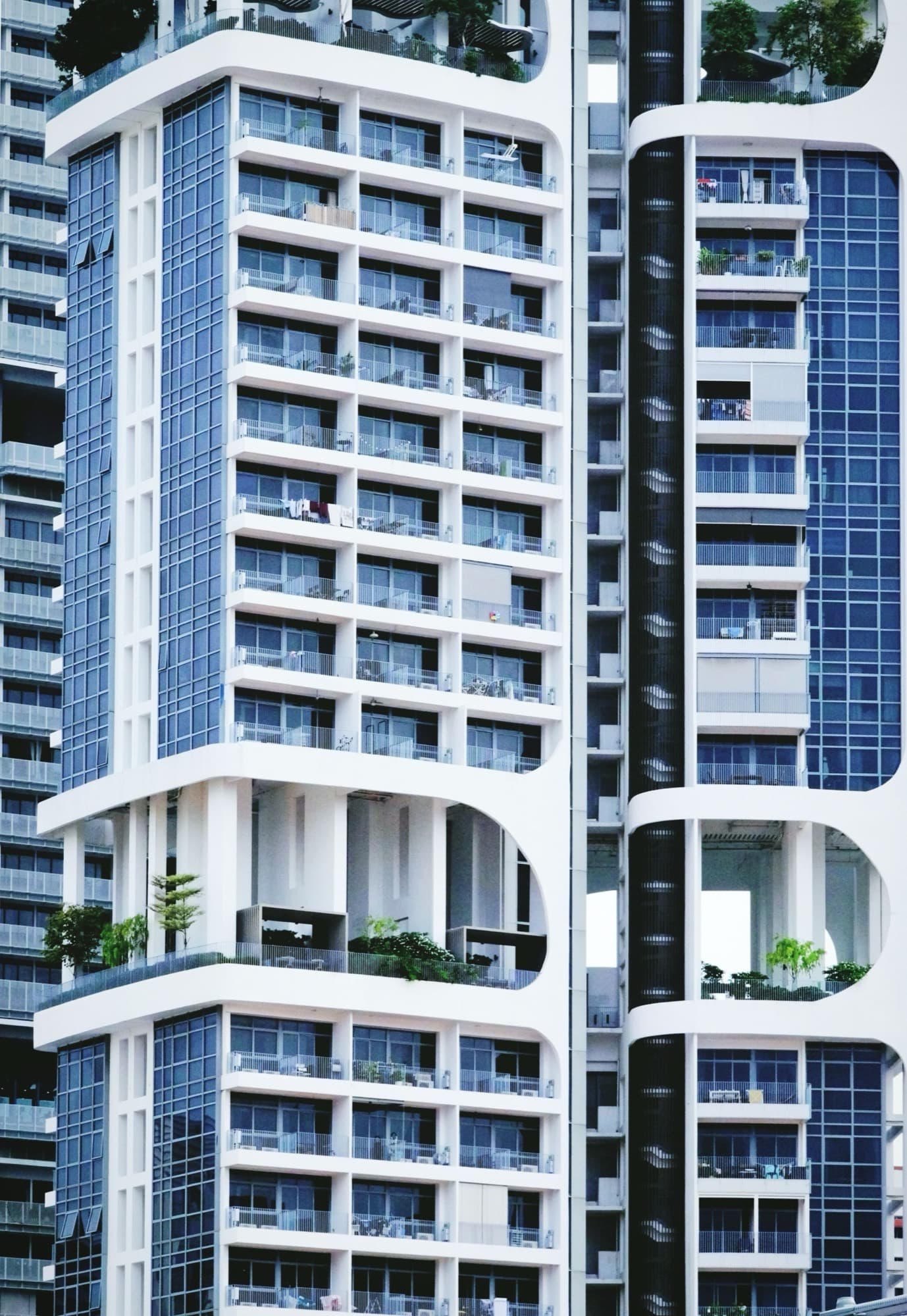
Private condominiums offer the widest range of location, layout and facilities of the four types, with correspondingly fewer eligibility restrictions.
Eligibility
Singapore Citizens, Permanent Residents and foreigners may generally purchase private condominium units, subject to each buyer's own stamp duty and financing considerations. There is no income ceiling or family nucleus requirement of the kind that applies to HDB and EC purchases.
SSD, BSD and ABSD considerations
Selling within the prevailing SSD holding period after purchase attracts Seller's Stamp Duty on a tiered scale that reduces the longer you hold the property. Buyer's Stamp Duty applies on a progressive scale against the purchase price or valuation, and Additional Buyer's Stamp Duty may apply depending on your citizenship and how many residential properties you already own. None of these should be assumed from a general rule - confirm your specific rate and holding period against the current IRAS schedule and your own acquisition date.
Maintenance fees and loan assessment
MCST maintenance fees fund shared facilities and vary significantly by development - a large facility-rich condo will generally cost more to maintain monthly than a smaller, more modest one. Financing is assessed under TDSR only; MSR does not apply, which can mean a larger loan is technically available for a similarly priced HDB purchase.
Facilities, rental and project-specific risk
Facilities and rental flexibility are generally the strongest of the four types here, but project-specific risks are worth checking individually: the developer's track record, the building's age and maintenance history, and (for older developments) en-bloc sale potential, which can affect both value and your own plans.
Landed property
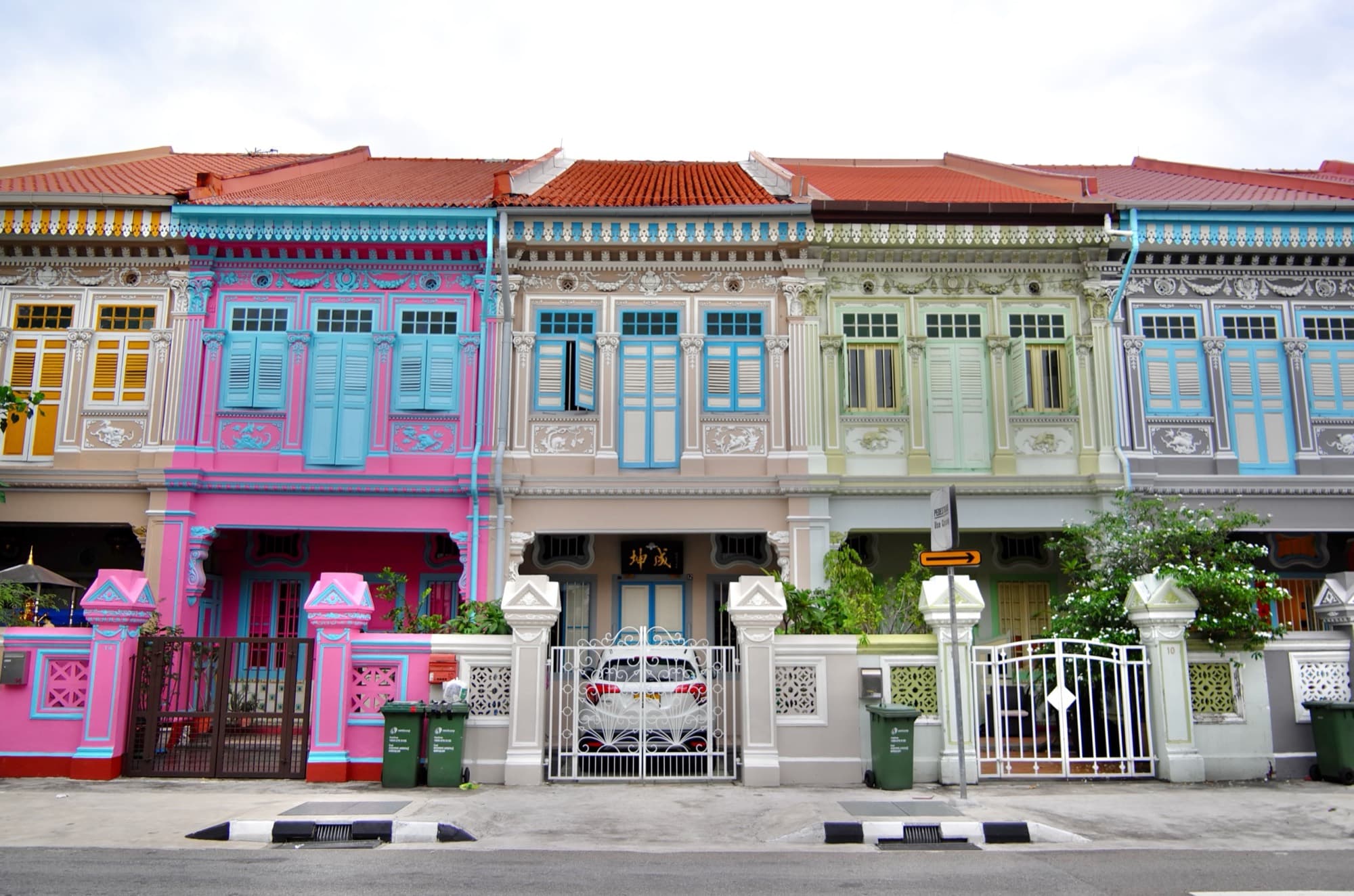
Landed property offers the most space and privacy of the four types, along with the most direct responsibility for upkeep.
Ownership eligibility
Foreign ownership of most landed property types requires approval under the Residential Property Act, subject to conditions set by the relevant authority. Singapore Citizens generally face the fewest restrictions; Permanent Residents have their own specific conditions to check.
Land, building condition and renovation
Because land forms a significant part of the price, the condition of the existing building matters less to value than it would for a condo unit - many buyers plan a rebuild or major renovation from the outset. This means renovation budgets for landed property can be substantially larger than for other property types, and worth planning for as part of the total cost, not an afterthought.
Financing, maintenance and insurance
Financing is assessed under TDSR only, with Loan-to-Value limits and lender appetite varying by the property's condition and land status. There is no MCST - the owner is directly responsible for all maintenance, repairs and often security, and insurance considerations (building, contents, sometimes flood risk depending on location) are worth reviewing specifically for the property.
Location, accessibility and exit considerations
Landed estates are concentrated in specific parts of Singapore, which narrows location choice compared with condos or HDB flats spread more widely across the island. The buyer pool on exit is also narrower, particularly for foreign buyers given ownership restrictions - worth factoring into how liquid you expect this asset to be if your plans change.
Three households, three approaches
None of the three profiles below receives a definitive recommendation. Each shows what the household is weighing, what is still missing, and how the comparison above applies to their specific situation.

1. A family seeking more space after HDB MOP
Priorities: more bedrooms for two school-age children, a location within the same school zone, and a manageable increase in monthly commitment. Constraints: a fixed household income with one variable-bonus component, and a strong preference to avoid a second mortgage overlap.
Plausible options: a larger resale HDB flat in the same or a neighbouring estate keeps costs down and avoids MSR/TDSR strain; a private condo of similar size would cost meaningfully more per month once MCST fees and higher property tax are added. Missing information: the family's actual net sale proceeds from their current flat, and a stress-tested affordability figure at a realistic interest rate. Until those are in hand, neither option can be properly compared.
2. A middle-aged household prioritising cash flow and retirement
Priorities: reducing monthly outgoings ahead of retirement in roughly a decade, and releasing some equity for a retirement buffer. Constraints: income is expected to reduce at retirement, and the household wants to avoid taking on a long loan tenure at this stage.
Plausible options: right-sizing into a smaller HDB flat or an older, smaller condo both reduce monthly outgoings, with the HDB route generally cheaper to run. Missing information: exact CPF Retirement Account implications if either party is 55 or older, and a realistic monthly budget for retirement income. This household's decision depends more on CPF and retirement planning specifics than on the property comparison alone.
3. A higher-income household considering condo versus landed
Priorities: more space and privacy than their current condo, with facilities remaining a nice-to-have rather than essential. Constraints: comfortable affording either option on paper, but wary of the ongoing upkeep responsibility a landed property would bring.
Plausible options: a larger private condo preserves facilities and lower direct upkeep responsibility; a landed property offers more space and privacy at the cost of direct maintenance responsibility and a narrower resale buyer pool. Missing information: how much the household genuinely values facilities they might rarely use, versus land ownership they may value indefinitely - a lifestyle question the numbers alone cannot answer.
Purchase and transition timeline
Once you have a property type in mind, this is a reasonable sequence to work through before committing:
- Confirm eligibility and relevant dates - your MOP, any SSD holding period, and eligibility for the property type you are considering.
- Estimate your current property's value using recent comparable transactions, not asking prices.
- Review your outstanding loan and CPF position, including accrued interest owed on refund.
- Estimate your net sale proceeds - what you would actually have to work with, not the headline price.
- Establish your comfortable affordability, stress-tested at a realistic interest rate, not just the regulatory maximum.
- Compare property types against your stated priorities, using the chapters and tool above.
- Obtain the relevant financing pre-approval or eligibility documents (HFE letter, in-principle approval, or equivalent).
- Decide deliberately whether to sell first or buy first, based on your cash buffer and risk tolerance.
- Plan legal completion, renovation and moving as a single sequence, not three separate afterthoughts.
- Commit only once the funding sequence is workable end to end - not once a specific unit feels right.
Related calculators
Turn the framework above into your own numbers before you start viewing specific properties.
Estimated Sale Proceeds Calculator
Establishes your real starting budget - what your current home would actually release.
Before you start: your outstanding loan balance and CPF property usage statement.
Property Affordability Calculator
Shows a comfortable and a maximum bank-approved price, so you compare property types against a realistic ceiling.
Before you start: your household income and any existing debt obligations.
Buy First or Sell First Comparison
Weighs the two transaction sequences against your own cash position once you've settled on a property type.
Before you start: your estimated proceeds and your target purchase timeline.
Frequently asked questions
Which property type is the best investment?
We do not make that claim for any property type. Values, rental demand and liquidity all depend on the specific project, location and market conditions at the time, not the property category alone. Choose based on eligibility, budget and fit for your household, not a promised return.
Can I use CPF for all four property types?
Generally yes, subject to the Valuation Limit and Withdrawal Limit that apply to CPF-financed property purchases, and subject to the property's remaining lease. The exact percentages and conditions depend on your specific purchase - confirm with CPF Board.
Does MSR apply to condos and landed property?
No. The Mortgage Servicing Ratio applies only to HDB flats and Executive Condominiums. Private condominiums and landed property are subject to TDSR only, which is generally a less restrictive ceiling.
Is an EC just a cheaper condo?
Not quite. An EC starts under HDB eligibility rules, including an income ceiling and a Minimum Occupation Period, with resale initially restricted to Singapore Citizens and PRs. It only becomes a fully open-market private property once it privatises, on a timeline that depends on the specific project - confirm this with HDB for the EC you are considering.
How much more does a condo cost to run each month than an HDB flat?
It varies by development, but MCST maintenance fees and property tax are both typically higher for a condo than the conservancy charges and property tax on a comparable HDB flat. Confirm the specific development's maintenance fee before committing to a budget.
Do foreigners face restrictions buying landed property?
Yes, for most landed property types, foreign ownership requires approval under the Residential Property Act, subject to conditions set by the relevant authority. This is a meaningful eligibility check to make early, not after falling for a specific listing.
Should I decide the property type before or after checking what I can afford?
Work out your comfortable affordability first, then compare property types within that budget. Deciding on a property type before checking affordability tends to produce a wishlist that does not survive contact with real financing figures.
Is it possible to compare more than one property type at once on this page?
Yes - use the “Compare All” tab in the interactive comparison above to see all four property types side by side across the same set of factors.
Sources & further reading
- HDB - Eligibility to Buy HDB Flats
- HDB - Executive Condominium purchase (BTO/SBF)
- IRAS - Buyer's Stamp Duty (BSD)
- IRAS - Additional Buyer's Stamp Duty (ABSD)
- IRAS - Seller's Stamp Duty (SSD) for Residential Property
- MAS - Mortgage Servicing Ratio and Total Debt Servicing Ratio rules
General information only. Property, financing, tax and CPF rules may change and can vary according to individual circumstances. Verify your position with the relevant authority and appropriate professionals before making a commitment.
Review My Property Options
Your property route depends on more than the estimated sale price. We can help you review the financing, CPF position, timing and possible next-home options together.